Physical Address
304 North Cardinal St.
Dorchester Center, MA 02124
Physical Address
304 North Cardinal St.
Dorchester Center, MA 02124

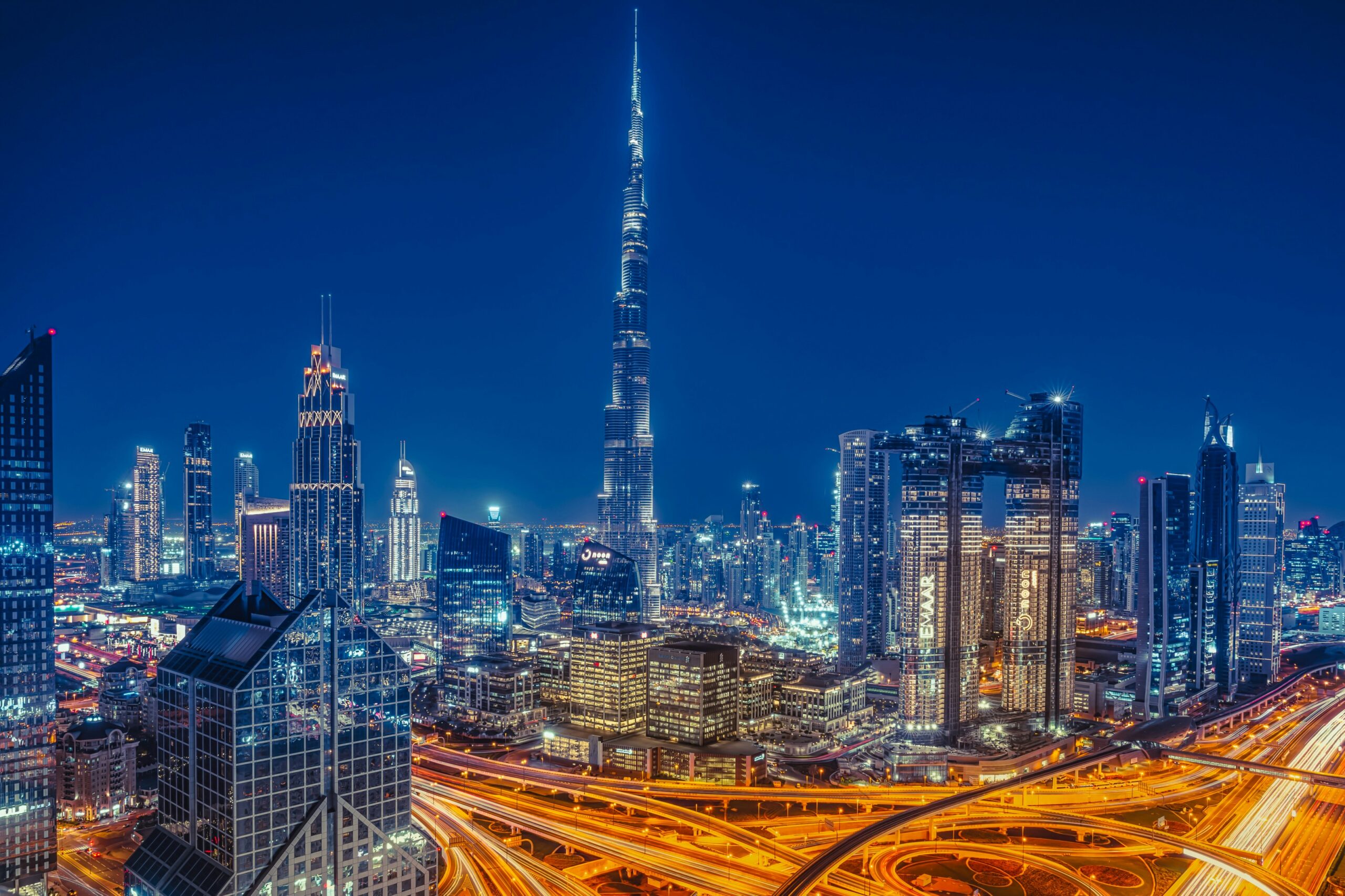
Dubai’s skyline is one of the most recognised in the world, a testament to rapid growth and architectural ambition. Yet, for the astute investor, the real opportunity isn’t just in the towers that are already standing—it is in the blueprints of those yet to rise. The real estate market here has evolved significantly over the last decade, transitioning from a speculative hub into a mature, regulated environment that rivals London or New York for stability.
Within this landscape, off-plan properties—units purchased directly from a developer before or during construction—remain a dominant force. While purchasing a property based on a floor plan requires vision, the data suggests it is a vision that pays off. With lower entry points compared to ready properties and the potential for significant capital appreciation, off-plan investments are the engine room of many successful real estate portfolios in the region.
However, success in this sector requires more than just capital; it requires strategy. Understanding the nuances of payment plans, the importance of location, and the security of developer partnerships is essential. This guide explores why off-plan remains a cornerstone of Dubai’s property market and how investors can navigate it effectively.
The primary allure of off-plan property lies in its financial structure. Historically, purchasing early in the construction cycle allows investors to lock in the lowest possible price. As the project reaches key construction milestones—foundation, structure, cladding, and handover—the market value of the unit typically increases. This capital appreciation is the profit margin realized simply by holding the asset from launch to completion.
Beyond appreciation, the barrier to entry is significantly lowered by flexible payment plans. Unlike ready properties, which often require large upfront mortgages or cash payments, off-plan developments usually offer staggered payment schedules. It is common to see plans where an investor pays 50% or 60% during construction, with the remaining balance due only upon handover. Some developers even extend these plans post-handover, allowing investors to cover the final payments using rental income generated by the property itself.
When it comes to returns, Dubai continues to outperform many global counterparts. While prime areas in European capitals might offer rental yields of 2% to 3%, well-selected off-plan projects in Dubai can command significantly higher returns once completed, particularly in high-demand residential clusters.
Location remains the golden rule of real estate, but in an off-plan context, it is about identifying future value rather than current status. The most successful investors look for strategic growth districts—areas earmarked for new infrastructure, metro lines, or commercial hubs.
This is where the concept of Joint Ventures (JV) becomes critical. In Dubai’s competitive market, some of the most lucrative plots are not available on the open market; they are unlocked through strategic partnerships. By structuring collaborations between landowners and developers, firms can activate prime land that would otherwise remain dormant.
Through these joint ventures, investors often gain exclusive access to developments in emerging neighbourhoods before they hit mainstream portals like Property Finder or Bayut. These projects are designed to transform underutilised plots into profitable business or residential hubs, ensuring that early stakeholders benefit from the uplift in land value as the community develops around it.
A common hesitation regarding off-plan property is the risk of delivery. In the past, this was a valid concern globally. However, Dubai has established robust regulatory frameworks to protect investors. The Real Estate Regulatory Agency (RERA) mandates the use of escrow accounts for off-plan projects. This ensures that the money investors pay is ring-fenced specifically for the construction of that project and cannot be used by the developer for other purposes.
Furthermore, aligning with established market players mitigates risk. Developers with a track record of delivery, such as Emaar Properties, Sobha Realty, and DAMAC Properties, provide a layer of security regarding construction quality and timelines.
However, navigating the legalities requires diligence. Secure agreements are the bedrock of any successful investment. Whether it is a single unit or a bulk deal, ensuring compliance and legal clarity protects all stakeholders. This is where professional oversight becomes invaluable, bridging the gap between a promising brochure and a contractually sound investment.
Successful real estate investment is rarely a solo endeavour. It requires on-the-ground intelligence and professional management. At Mafhh, we approach the market differently. We are not just a brokerage; we are a global leader in joint ventures and real estate consultancy.
Under the guidance of Director Sajjad Hussain, our mission is to create value through "shared success." We connect landowners, developers, and investors to create landmark projects like One By Preston, Zenith One, and MAAK 1. Our approach is comprehensive:
This holistic approach ensures that our clients—whether they are first-time buyers or seasoned institutional investors—are making decisions based on data and structured partnerships, not just market hype.
Looking ahead to the 2024-2025 property cycle, the market is showing signs of a qualitative shift. The demand is moving towards luxury, design-focused spaces that offer more than just shelter. Buyers are increasingly sophisticated, looking for sustainable designs, community-centric amenities, and eco-friendly developments.
We anticipate a continued rise in the value of branded residences and mixed-use developments that blend commercial viability with residential comfort. The days of speculative buying are being replaced by strategic, long-term portfolio building. Investors who focus on quality developments in integrated communities are likely to see the strongest sustained growth.
The Dubai real estate market remains one of the most dynamic in the world. While the skyline changes, the fundamentals of profitable investing remain the same: buy early, buy in growth areas, and buy with trusted partners.
Off-plan properties offer a unique combination of asset appreciation and payment flexibility that is hard to match in other asset classes. However, the difference between a good investment and a great one often comes down to the quality of advice you receive. By leveraging expert consultancy and strategic joint ventures, investors can secure their position in Dubai’s future success stories.
If you are ready to explore high-potential off-plan opportunities or learn more about our joint venture models, contact the team at Mafhh to discuss your portfolio strategy.