Physical Address
304 North Cardinal St.
Dorchester Center, MA 02124
Physical Address
304 North Cardinal St.
Dorchester Center, MA 02124

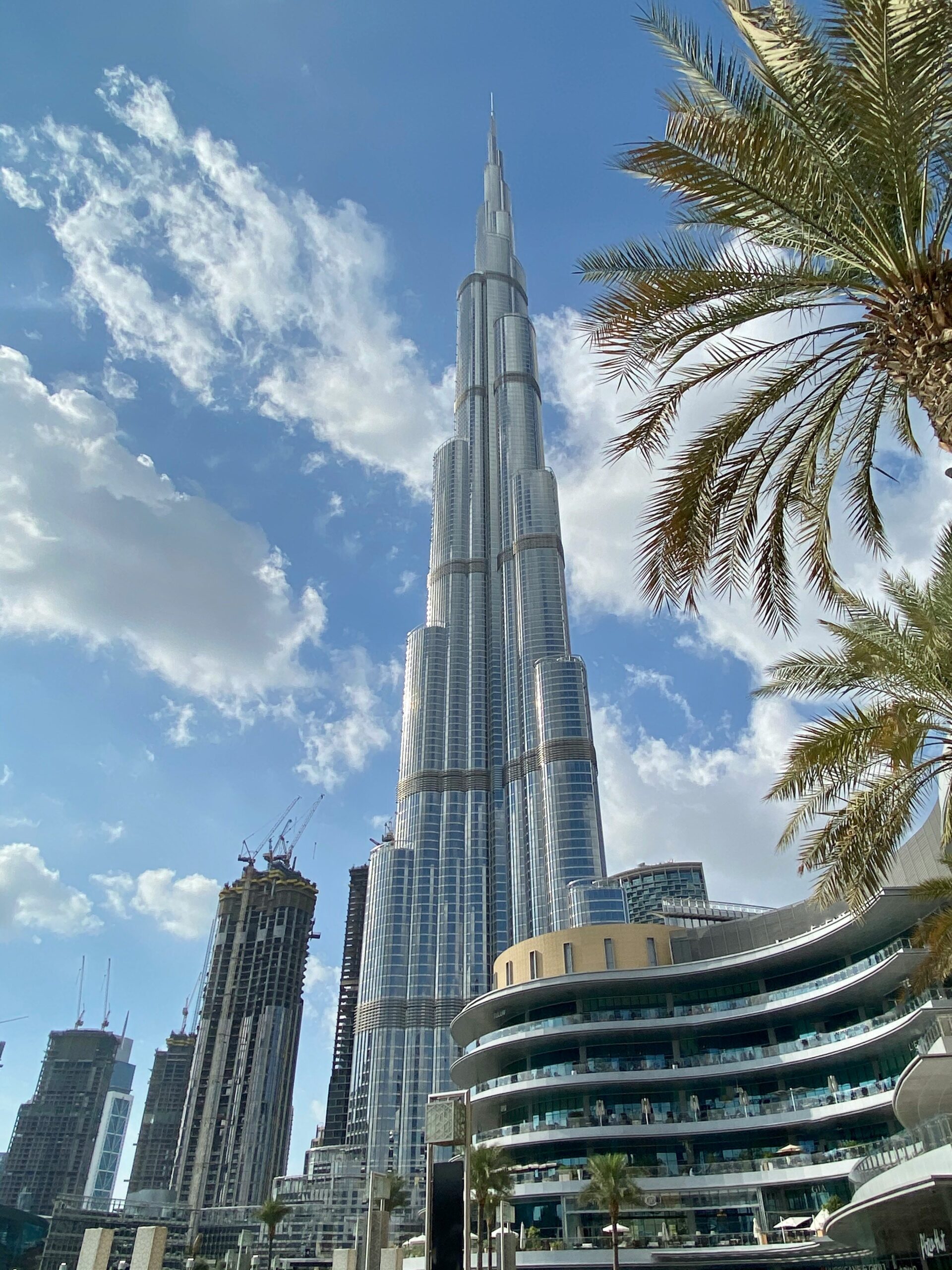
Dubai’s skyline is more than just a collection of architectural marvels; it is a testament to ambition. For new developers, the allure of this market is undeniable. With a projected growth trajectory that continues to outpace many global capitals, Dubai offers high yields, a robust regulatory framework, and an appetite for innovation that is hard to match.
However, entering any new real estate market comes with steep learning curves. In Dubai, these challenges can range from navigating the intricacies of the Real Estate Regulatory Agency (RERA) to understanding hyperlocal demand and securing prime land in coveted districts. For a new entrant, the risk of going it alone often outweighs the potential reward.
This is where the joint venture (JV) model shines. By partnering with established landowners or local entities, new developers can bypass the most significant barriers to entry. A joint venture isn’t just a contract; it is a strategic accelerator that combines local ground-level expertise with fresh capital and vision. In this guide, we explore why this model is the smartest route for new developers looking to make their mark on Dubai.
At its core, a real estate joint venture is a partnership between two or more parties to develop a property. Typically, one party provides the land or local expertise (the Landowner), while the other provides the capital, development expertise, or brand (the Developer). Profits and risks are shared according to a pre-agreed structure.
For a new developer, this collaboration offers immediate advantages that solo projects simply cannot match.
Real estate is a relationship business, and nowhere is this truer than in Dubai. An established local partner brings years of tacit knowledge—understanding which contractors deliver on time, how to navigate municipality approvals efficiently, and what specific amenities local buyers are currently demanding. This “insider status” can shave months off a project timeline and save significant capital.
Development is capital-intensive. By entering a JV, the financial burden is distributed. Often, the landowner contributes the equity of the land itself, reducing the upfront cash requirement for the developer. This allows the new entrant to allocate capital towards construction, marketing, and design, ensuring a higher quality product without overleveraging.
Dubai has a sophisticated legal framework designed to protect investors and developers, but compliance is rigorous. From escrow account management to RERA regulations, having a partner who has successfully navigated these waters before is invaluable. They ensure that the project remains compliant from day one, mitigating the risk of costly legal delays.
Why are so many international developers flocking to Dubai in the first place? The answer lies in a combination of strategic geography, government support, and lifestyle appeal.
Dubai remains one of the few global hubs where luxury real estate is still comparatively affordable against cities like London, New York, or Hong Kong, yet offers higher rental yields. The market is buoyed by pro-investment government initiatives, such as the Golden Visa program, which grants long-term residency to property investors.
Furthermore, the city is expanding. New master communities are rising, and areas once considered peripheral are now becoming prime hotspots. For a new developer, the opportunity isn’t just in building apartments; it’s in shaping communities. A joint venture allows you to tap into these growth areas with a partner who likely already holds land in these strategic locations.
The success of a JV hinges entirely on the quality of the partnership. But where do you find the right match in a bustling metropolis like Dubai?
In the digital age, your search should start online. Business networking platforms like LinkedIn and Crunchbase are excellent for identifying established players and verifying their track records. For a more targeted approach, industry-specific platforms such as AngelList (for prop-tech or startup-focused developers) and Joint Venture Match can connect you with parties actively seeking collaboration.
Don’t overlook government portals. Invest in Dubai and the Dubai Chamber often list opportunities and facilitate introductions for serious investors.
Sometimes, the best partners are those already leading the market. Major developers like Emaar Properties and Sobha Realty have set the standard for quality in the region. While they are giants, studying their partnership models or looking for mid-tier developers who follow similar operational standards can provide a blueprint for success.
Additionally, browsing off-plan property websites like Property Finder, Bayut, and Dubizzle can give you insight into who is building what. Look for developers with consistent project delivery and high sales volumes—these are the potential partners (or competitors) you need to know.
Finding a name is easy; vetting them is hard. When evaluating a potential JV partner, focus on:
Once you have identified a partner, the structure of the deal will determine its longevity. A vague agreement is a recipe for dispute.
Who handles the construction? Who is responsible for marketing? Who manages the government relations? These roles must be defined explicitly. In a typical JV, the new developer might handle the technical execution and branding, while the local partner manages land acquisition and government liaison.
Agreements must detail how profits are distributed (the “waterfall” structure) and how costs are shared. Tools and consultancies that specialize in underwriting projects—such as Tribe, or specific Real Estate Investment Funds (REIFs)—can help structure the financials to ensure they are investment-grade.
It might seem counterintuitive to plan the end before the beginning, but a good JV agreement always includes an exit strategy. Whether it involves selling the completed asset, a buyout clause, or a public listing, knowing how you will unwind the partnership ensures that both parties are working toward the same finish line.
Entering the Dubai real estate market is a bold move, but it doesn’t have to be a reckless one. By choosing the joint venture route, new developers can leverage the strength of established players, mitigate their risks, and focus on what they do best: building exceptional properties.
The key is diligence—in research, in partner selection, and in deal structuring. With the right partner by your side, the Dubai skyline isn’t just a view; it’s an opportunity.
If you are ready to explore joint venture opportunities or need guidance on navigating the Dubai market, it is time to connect with experts who bridge the gap between landowners and developers.