Physical Address
304 North Cardinal St.
Dorchester Center, MA 02124
Physical Address
304 North Cardinal St.
Dorchester Center, MA 02124

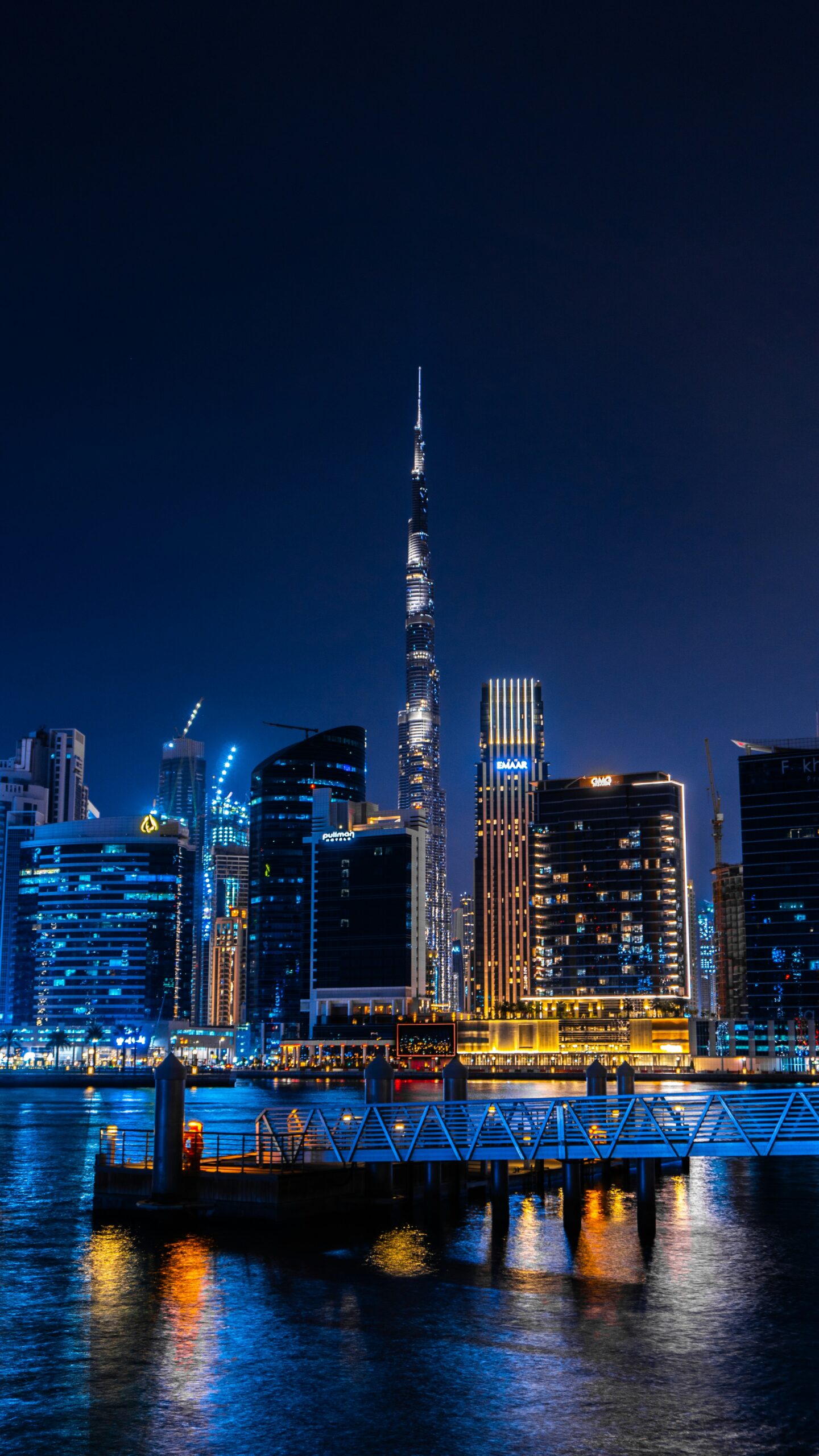
Dubai’s skyline is a testament to ambition. From the Palm Jumeirah to the Burj Khalifa, the city creates opportunities that few other markets can match. For developers, the potential for high-yield returns is significant, particularly given the current surge in joint venture projects across the emirate. However, the difference between a landmark success and a stalled construction site often lies in the fine print of the initial contract.
Entering a partnership without a watertight landowner agreement is one of the most significant risks a developer can take. These documents are not merely administrative formalities; they are the strategic roadmap for the entire project lifecycle. They define the relationship, allocate risk, and secure the financial interests of all parties involved.
Whether you are a new market entrant or an established developer looking to expand your portfolio through joint ventures, understanding the legal framework is non-negotiable. This guide outlines the critical clauses required to protect your investment and ensure a seamless development process.
At its core, a landowner agreement in Dubai is a legally binding contract that grants a developer the right to build on a specific plot owned by another party. These agreements are particularly prevalent in Joint Venture (JV) structures, a model that has become the backbone of modern Dubai real estate.
In a typical scenario, the landowner contributes the asset (the land), while the developer contributes the technical expertise, construction management, and often the financing or access to investors. The goal is to unite these resources to create a project that generates value far exceeding the sum of its parts.
Successful agreements clearly define the roles of the three main stakeholders:
Negotiating these contracts requires more than just commercial acumen; it demands a specific understanding of Dubai’s legal landscape. Below are the six pivotal clauses that must be drafted with precision.
Before discussing design or profit, you must establish the legal standing of the asset. In Dubai, land ownership laws can be complex depending on whether the plot is in a freehold or non-freehold area.
Ensuring Clear Title
The agreement must include a warranty from the landowner that they possess a valid title deed free from encumbrances. This verification is typically conducted through the Dubai Land Department (DLD).
Restrictions and Easements
Developers must verify if there are any third-party rights over the land. Are there utility lines running beneath the plot? Are there height restrictions imposed by local authorities? This clause should mandate full disclosure of any legal or physical impediments that could affect the development potential.
Ambiguity is the enemy of progress. This section of the agreement defines exactly what is being built and who is responsible for each step.
Specific Deliverables and Milestones
Avoid vague terms like “residential building”. The agreement should reference specific feasibility studies, architectural concepts, and gross floor areas. It must also set a rigid timeline. For example, obtaining building permits by Month 3, breaking ground by Month 6, and reaching 50% completion by Month 12.
Allocation of Duties
The clause must clearly separate responsibilities. Typically, the landowner is responsible for providing Power of Attorney (POA) to the developer to deal with government authorities like the Real Estate Regulatory Agency (RERA). The developer, conversely, takes on the liability for construction quality, safety, and project management.
How and when parties get paid is often the most contentious part of any negotiation. In a JV model, compensation structures usually move away from simple land purchases toward profit-sharing mechanisms.
Methods of Compensation
Will the landowner receive a fixed sum upon completion, or a percentage of the sales revenue? A common approach in Dubai is a revenue-share model based on the project’s Gross Development Value (GDV). The agreement must define how “profit” is calculated—specifically, what costs are deductible before the split occurs.
Escrow and Payment Schedules
Dubai law strictly regulates off-plan sales. This clause must align with RERA’s Escrow Law (Law No. 8 of 2007), ensuring that funds collected from off-plan buyers are deposited into a designated escrow account. The agreement should outline the priority of payments released from this account—typically construction costs first, followed by stakeholder profits.
Even with the best intentions, disagreements happen. This clause dictates how they are resolved without halting construction.
Arbitration vs. Litigation
Given the technical nature of real estate, many developers prefer arbitration over local courts. The Dubai International Arbitration Centre (DIAC) is a standard forum for such disputes. This clause should specify the seat of arbitration, the number of arbitrators, and the language of proceedings.
Governing Law
It must be explicitly stated that the agreement is governed by the laws of the Emirate of Dubai and the Federal Laws of the UAE. This prevents any confusion regarding jurisdiction if one of the parties is a foreign entity.
A solid agreement must include an exit strategy. This protects the developer if the landowner breaches terms, and protects the landowner if the developer fails to deliver.
Conditions for Termination
Common grounds include failure to obtain planning permission by a specific date, insolvency of either party, or a prolonged force majeure event.
Consequences of Termination
If the relationship ends, who owns the incomplete structure? Who is liable for debts incurred up to that point? This clause should detail how assets are distributed and how the land is returned to the owner, potentially with a lien for work already completed.
Dubai’s regulatory environment is dynamic. This clause ensures the project remains on the right side of the law throughout its lifecycle.
Adherence to RERA and DLD
The developer must commit to complying with all RERA regulations regarding off-plan sales, marketing approvals, and project registration. Failure to do so can result in hefty fines and project cancellation.
Sustainability and Building Codes
With Dubai’s increasing focus on green building standards, the agreement should mandate compliance with the Dubai Green Building Regulations. This protects the asset’s future value and ensures marketability.
To illustrate the importance of these clauses, consider two hypothetical scenarios based on typical market activity in Dubai.
The Success: Project Zenith
In a recent joint venture similar to the ‘Zenith One’ project, a developer and landowner signed a comprehensive agreement. They included a detailed dispute resolution clause referencing the DIAC and a strict timeline for RERA approvals. When a minor disagreement arose regarding marketing costs, the pre-agreed financial definitions allowed them to resolve the issue internally within 48 hours. The project was delivered on time, maximizing ROI for both parties.
The Failure: The Undefined Scope
Conversely, a project launched with a handshake and a basic Memorandum of Understanding faced disaster. The agreement lacked a clear definition of “completion.” The landowner believed completion meant the handover of keys, while the developer believed it meant obtaining the Building Completion Certificate. This ambiguity led to a six-month delay in profit distribution and a costly legal battle in the Dubai Courts.
Negotiating a landowner agreement is not simply a legal hurdle; it is the foundation of your project’s commercial success. By ensuring clarity on ownership, scope, finance, and dispute resolution, developers can mitigate risk and focus on what they do best: building the future of Dubai.
While templates exist, every plot and partnership is unique. Whether you are structuring a deal for a boutique residence or a commercial tower, engaging with experts who understand the nuances of Dubai’s joint venture market is essential.