Physical Address
304 North Cardinal St.
Dorchester Center, MA 02124
Physical Address
304 North Cardinal St.
Dorchester Center, MA 02124

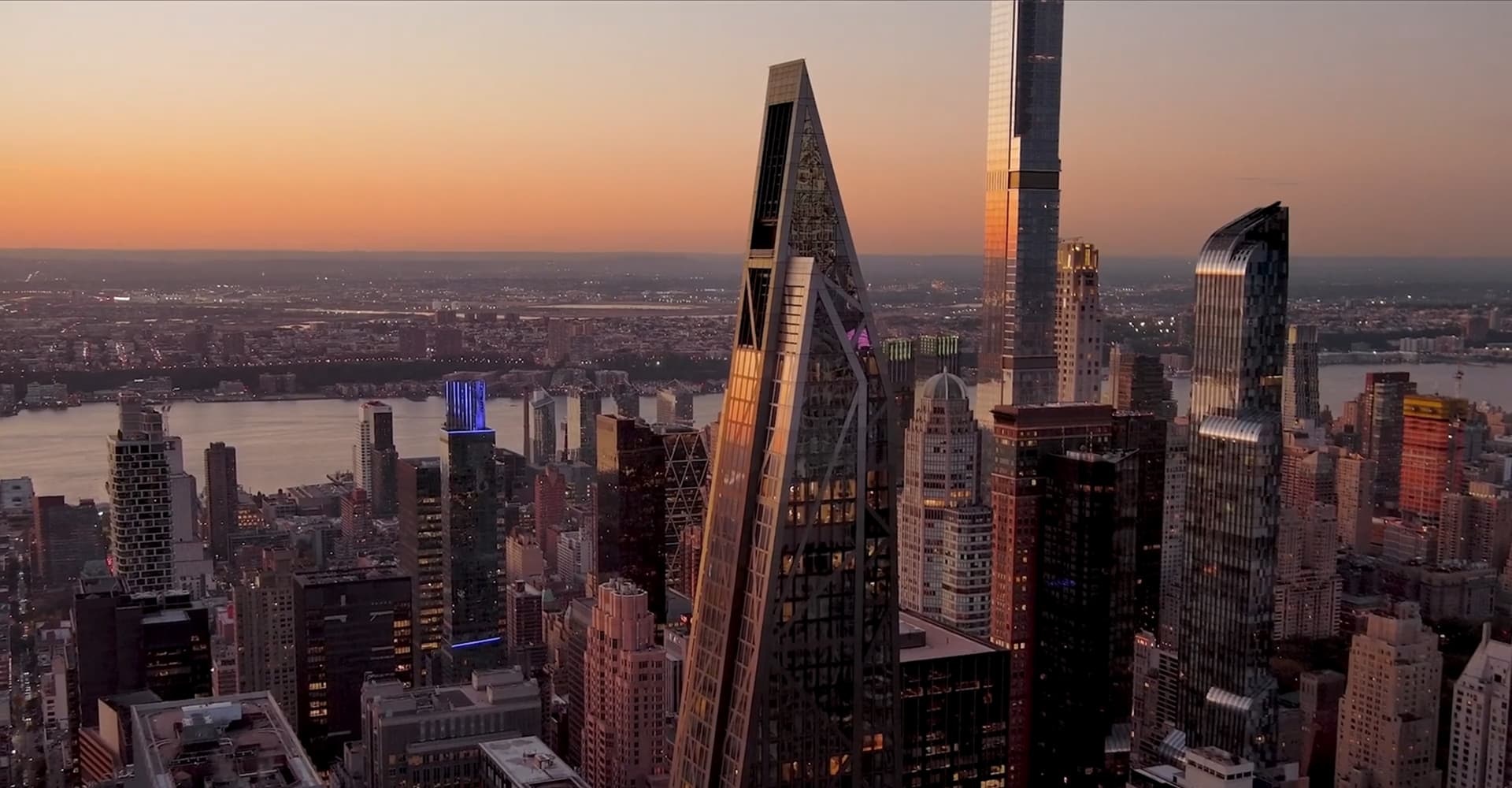
The Dubai skyline is a testament to ambition, innovation, and partnership. Behind many of the city’s most iconic towers lies a robust financial structure that makes them possible: the Joint Venture (JV). In a market as dynamic as Dubai’s, going it alone is becoming increasingly rare. Instead, smart stakeholders are pooling resources to mitigate risk and maximize returns.
However, a JV is only as strong as its foundation. If the terms favour one party over another, the project is destined for friction, delays, or failure. A true “win-win” structure isn’t just a nice-to-have; it’s a strategic necessity for long-term profitability.
At Mafhh, we specialize in bridging the gap between landowners, developers, and investors. We have seen firsthand that when interests are aligned through transparent, well-structured agreements, the potential for success skyrockets. Here is how to structure a JV that delivers value for everyone involved.
To create a balanced agreement, you must first understand what each party brings to the table and what they need to take away.
In Dubai, land is a premium asset. Landowners often sit on goldmines but lack the technical expertise or liquidity to develop the land themselves.
Developers bring the vision, technical know-how, and project management capabilities.
Whether institutional or private, investors provide the necessary liquidity to keep the gears turning.
A successful JV structure aligns these diverse motivations into a single, cohesive roadmap. Here are the three pillars of a solid agreement.
In Dubai, clarity is king. The agreement must be governed by a robust legal framework that protects all parties. This usually involves setting up a Special Purpose Vehicle (SPV) where the land (from the owner) and the capital (from the investor/developer) are assets of the new entity.
This is where the “win-win” is quantified. Instead of a simple transaction, a JV offers profit sharing.
Ambiguity breeds conflict. The JV agreement must delineate who is responsible for what.
Even the best legal contracts cannot save a partnership lacking trust. In the high-stakes world of Dubai real estate, transparency is the currency of success.
Regular reporting is non-negotiable. Stakeholders should receive monthly or quarterly updates covering construction progress, cash flow status, and sales figures. At Mafhh, we emphasize a “bad news first” policy—if there is a delay, communicate it immediately so solutions can be found together.
A win-win structure anticipates problems. Who covers cost overruns? What happens if market sales slow down?
The goal of a JV shouldn’t be a “one-and-done” deal. Successful developers and investors in Dubai often build portfolios together. By treating the landowner as a true partner rather than just a land bank, you open doors for future collaborations on other plots they may own.
The theory is sound, but execution is what matters. At Mafhh, we have facilitated numerous high-profile collaborations that illustrate the power of well-structured JVs.
Structuring a Joint Venture in Dubai is not just about signing a contract; it is about designing a business relationship that can withstand market fluctuations and deliver shared prosperity. When landowners get the value their asset deserves, developers get the freedom to build, and investors get the returns they seek, the entire ecosystem thrives.
As the Dubai market continues to mature, the demand for sophisticated, transparent, and fair JV structures will only grow. Whether you are holding a prime plot of land or looking to deploy capital into high-yield developments, you need a partner who understands the nuances of the deal.
At Mafhh, we don’t just broker deals; we build partnerships. From legal compliance and project management to sales strategies and underwriting, we are dedicated to ensuring your next venture is a resounding success.
Ready to explore your next opportunity? Connect with Mafhh today and let’s build the future of Dubai together.