Physical Address
304 North Cardinal St.
Dorchester Center, MA 02124
Physical Address
304 North Cardinal St.
Dorchester Center, MA 02124

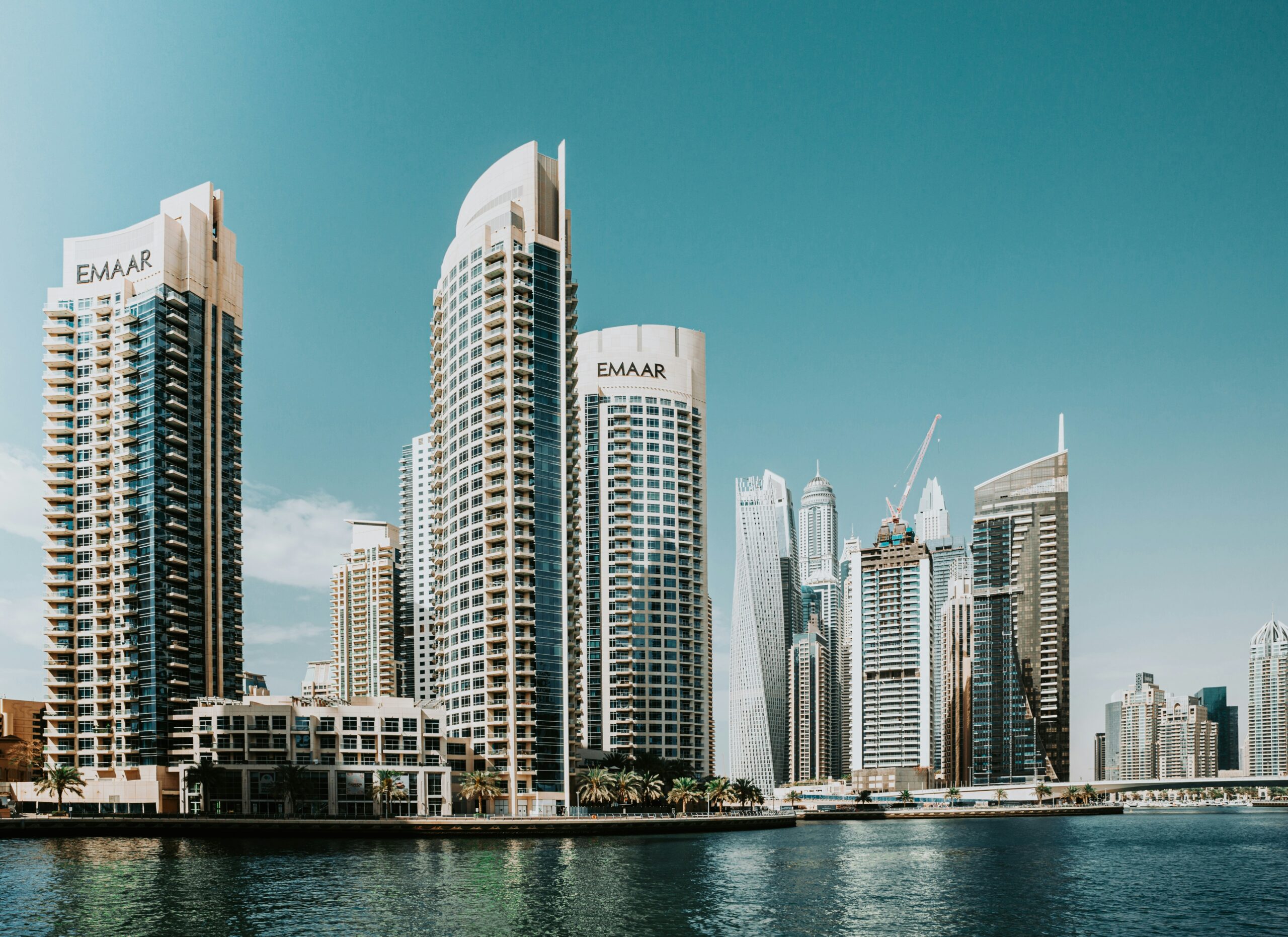
Dubai is a city defined by its skyline. From the Marina to Downtown, the horizon is punctuated by architectural marvels that capture the world’s attention. Yet, for every Burj Khalifa or Museum of the Future, there are dozens of residential towers that vanish into the background. They are functional, certainly, but they fail to leave a lasting legacy.
For investors and developers, the difference between a project that becomes a landmark and one that remains 'just another building' is substantial. Landmarks command higher yields, attract premium tenants, and hold their value against market fluctuations. Average projects, conversely, often struggle with occupancy rates and stagnant capital appreciation.
So, what separates the icons from the ordinary? It is rarely just a matter of budget. The transformation from a simple off-plan concept to a tangible landmark requires a specific alchemy of location, vision, and, most importantly, strategic execution.
To understand why some developments succeed where others plateau, we must look at the foundation upon which they are built. A landmark is never an accident; it is the result of harmonising three critical elements: location, design, and long-term value.
While the old adage "location, location, location" holds true, landmark status is achieved by understanding the future of that location. An average developer looks at where the city is today; a visionary looks at where the city is moving. Landmark projects are often situated in areas with high connectivity and upcoming infrastructure, turning a plot of land into a central hub of activity.
A distinctive façade might grab attention, but true design excellence goes deeper. Landmark projects prioritise the living experience. They blend aesthetic appeal with functional luxury, ensuring that the space serves its residents efficiently. This includes integrating sustainable materials and smart technologies—features that prevent a building from feeling outdated five years after completion.
Finally, a landmark is defined by its ability to generate wealth over time. This means the project must be financially viable not just at the point of sale, but for decades to come. It requires a balance of high-quality construction and efficient maintenance costs, ensuring the asset remains desirable to future buyers.
One of the most common reasons off-plan projects fail to reach their potential is a lack of cohesive expertise. A landowner may have a prime plot but lack development experience. A developer may have the vision but lack the capital. This is where the model of the Joint Venture (JV) becomes a game-changer.
At Mafhh, we have seen that the most successful projects are born from collaboration. By uniting landowners, developers, and investors through structured joint ventures, stakeholders can pool their strengths.
In a traditional model, a developer buys land and builds. In a strategic partnership, the landowner becomes a key stakeholder. This alignment of interests ensures that everyone is working towards the same goal: maximising the project's quality and profitability.
When you bring together a landowner’s prime asset, a developer’s technical expertise, and an investor’s capital, you create a robust foundation. This approach mitigates risk and allows for higher ambitions. Instead of cutting corners to save costs, the partnership focuses on creating a superior product that will yield better returns for all parties involved.
Even the most brilliant architectural concept can fail if the execution is flawed. This is where precision management separates the professional from the amateur. Turning a blueprint into a landmark requires a level of oversight that borders on obsession.
A major development involves hundreds of moving parts: architects, engineers, contractors, legal teams, and marketing agencies. If these teams work in silos, the project suffers. Timelines slip, budgets balloon, and quality controls are missed.
Successful projects benefit from complete oversight. This involves managing consultants and contractors with precision, ensuring that every dirham in the budget is spent effectively. It is about holding every contributor accountable to the highest standards. At Mafhh, we believe that this rigorous project management is what ensures a development meets its iconic potential, delivering on the promises made during the off-plan phase.
Why do some developers build luxury three-bedroom apartments in an area that desperately needs affordable studios? The answer is a lack of market intelligence.
Average projects often rely on guesswork or outdated trends. Landmark projects are built on data. Before a single brick is laid, a thorough feasibility study must be conducted. This analysis differentiates high-potential developments from average builds by answering critical questions:
By utilising in-depth analysis and transparent guidance, developers can tailor their projects to meet genuine market needs. This data-driven approach ensures that when the project launches, there is already a hungry audience waiting to purchase.
There is one final element that is often overlooked in the discussion of architecture and ROI: trust.
In the off-plan market, reputation is currency. Projects become landmarks when buyers feel secure. If a development is plagued by legal ambiguities or opaque financial structures, the market will shy away, regardless of how beautiful the render looks.
Ensuring every deal is built on secure agreements is paramount. This includes rigorous legal compliance and transparent reporting structures. When investors and stakeholders know that their interests are protected by solid contracts and clear regulatory adherence, they are more willing to support ambitious, high-quality projects.
Transparency fosters project excellence. When a developer operates openly, they attract better partners and more serious investors. This stability allows the team to focus on innovation and quality, rather than firefighting legal disputes.
Transforming an off-plan vision into a Dubai landmark is not a stroke of luck. It is a deliberate process of aligning prime locations with visionary design, backed by data-driven insights and rigorous management.
However, the true catalyst for this transformation is collaboration. The era of the solitary developer is evolving into an era of strategic partnerships. By uniting the best resources—land, capital, and expertise—through transparent joint ventures, we can move beyond building average apartments and start creating the icons of tomorrow.
Whether you are a landowner, developer, or investor, the path to creating lasting value lies in who you partner with and how you execute your vision.