Physical Address
304 North Cardinal St.
Dorchester Center, MA 02124
Physical Address
304 North Cardinal St.
Dorchester Center, MA 02124

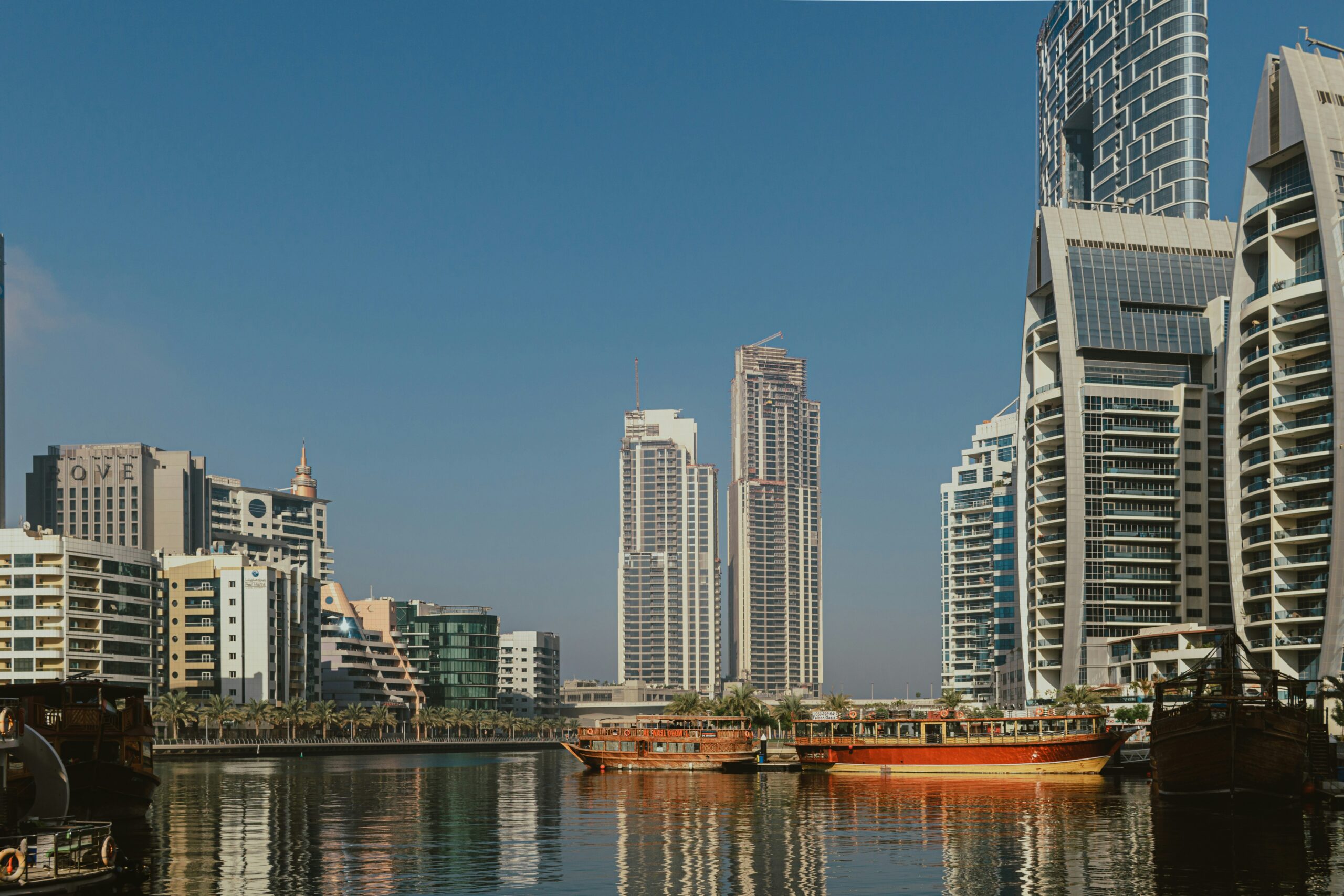
The Dubai skyline is a testament to ambition. For many individual investors, the allure of off-plan real estate lies in the promise of capital appreciation—buying low during construction and selling high upon completion. However, relying solely on projected appreciation is speculation, not investment. Institutional investors do not speculate. They underwrite.
Underwriting is the rigorous process of assessing risk and financial viability before a single Dirham is deployed. While retail investors often look at glossy brochures and show apartments, institutions look at spreadsheets, developer track records, and macroeconomic indicators. To succeed in Dubai’s dynamic property market, one must shift their mindset from that of a consumer to that of an analyst.
This guide explores how to apply institutional-grade underwriting to off-plan projects in Dubai, ensuring your decisions are backed by data rather than hype.
The primary difference between a casual investor and an institution is the definition of success. For the amateur, success is a quick flip. For the institution, success is risk-adjusted return.
Institutional underwriting moves beyond simple Return on Investment (ROI) calculations. It involves a deep feasibility study that considers market cycles, absorption rates, and exit strategies. It asks the uncomfortable questions: What happens if the project is delayed by two years? What if the rental market softens?
By adopting this framework, you stop buying “hope” and start buying “feasibility.” This approach safeguards capital and ensures that the asset performs even if the market does not experience an aggressive boom.
To underwrite like a professional, you must dismantle the project into its core components. Here are the three pillars that support every sound investment decision.
In off-plan real estate, you are funding a promise. The reliability of that promise depends entirely on the developer.
Institutional investors do not just look at brand recognition; they analyse the balance sheet and delivery history.
Actionable Step: Check the developer’s history on the Dubai Land Department (DLD) app. Have they cancelled projects before? Do they deliver on time? A delay of six months is common; a delay of three years destroys your Internal Rate of Return (IRR).
Amateurs look at the view; professionals look at the infrastructure. A prime location is not just about being near a tourist attraction; it is about connectivity to business hubs and future growth corridors.
When underwriting a location, assess the “path of progress.” Is the district fully developed, meaning capital growth is likely capped? Or is it an emerging district with government-backed infrastructure projects in the pipeline?
This is where the real work happens. You must build a financial model that accounts for every dirham in and every dirham out.
If the investment still makes sense in these negative scenarios, it is a robust asset. If it only works when everything goes perfectly, it is too risky.
One of the most effective ways institutions mitigate risk is by not going it alone. They utilise Joint Ventures (JVs).
In the context of Dubai real estate, a JV often involves structuring a deal between a landowner, a developer, and investors. This is a model championed by firms like Mafhh, which facilitate partnerships that align the interests of all stakeholders.
For an investor, participating in a JV structure—rather than just buying a single unit—can offer significant advantages:
Aligning with experts who understand the “Landowner + Developer + Investor” ecosystem creates a layer of security that is difficult to replicate as a solo buyer.
Institutions do not guess; they verify with data. Fortunately, individual investors now have access to sophisticated tools that were once exclusive to large firms.
Dubai has one of the most regulated real estate markets in the world, designed to protect investors. Understanding these protections is the final step in underwriting.
Mastering the art of underwriting is not about predicting the future; it is about preparing for it. By adopting an institutional mindset—focusing on developer credibility, financial stress-testing, and strategic partnerships—you transform from a passive buyer into an active investor.
The Dubai market offers exceptional opportunities for those who do their homework. Whether you are looking at a standalone unit from a major developer or considering a strategic Joint Venture facilitated by experts like Mafhh, the principles remain the same: Protect your downside, and the upside will take care of itself.