Physical Address
304 North Cardinal St.
Dorchester Center, MA 02124
Physical Address
304 North Cardinal St.
Dorchester Center, MA 02124

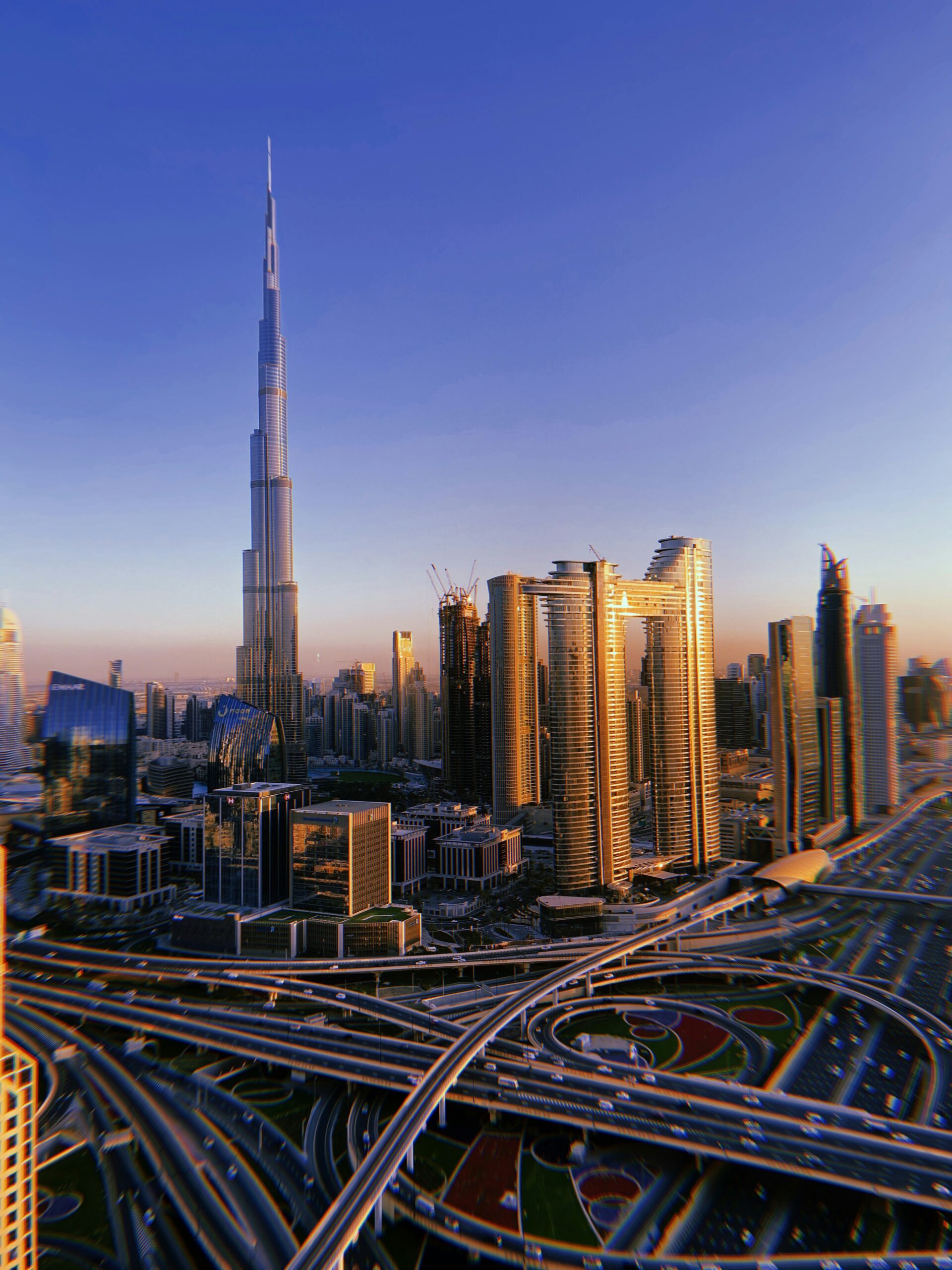
Dubai’s real estate market moves at a velocity that few global cities can match. From the initial handshake to the final handover, the lifecycle of a development project here is intense, driven by rapid regulatory changes, fluctuating market demand, and ambitious construction schedules. In this high-stakes environment, a Joint Venture (JV) isn’t just about pooling capital and land; it’s about synchronising watches.
If a landowner expects a quick cash exit while the developer is planning a long-term asset hold, the partnership is doomed before the first shovel hits the ground. Misaligned timelines and conflicting exit strategies are the silent killers of otherwise promising real estate ventures.
Successful collaboration requires more than shared optimism. It demands a rigorous alignment of milestones, a clear understanding of each partner’s financial horizon, and a robust framework for when—and how—to part ways profitably. Here is how stakeholders within the Mafhh ecosystem align their objectives to build sustainable, high-yield projects.
Before discussing when to exit, partners must agree on why they are entering the deal. In the context of Dubai JVs, the three primary stakeholders—landowners, developers, and investors—often start with different internal clocks.
At Mafhh, the first step in any partnership is a deep-dive feasibility study to map these disparate goals. By explicitly stating whether the venture is a “build-to-sell” (short-term) or “build-to-rent” (long-term) model, we prevent friction down the line.
In a Joint Venture, time is money—quite literally. A delay in approvals affects the sales cycle, which in turn impacts the investors’ return profile. Aligning construction timelines with financial milestones is critical.
Dubai’s off-plan market is unique. Sales often fund construction, meaning the timeline for selling units must sync perfectly with the construction schedule. If a developer launches sales too early without the necessary escrow account approvals, they risk regulatory penalties. Launch too late, and they may face cash flow bottlenecks.
Partners must agree on a “Sales Velocity” strategy. Does the JV aim to sell out 80% of units pre-construction to de-risk the project? Or does it hold back premium units for post-completion sales to capture capital appreciation? This decision dictates the project’s timeline and the capital requirements from investors.
Navigating the Dubai Land Department (DLD) and RERA regulations is a timeline in itself. From acquiring the Oqood (pre-registration) to finalising the Title Deed, every regulatory step has a lead time. Experienced partners build buffers into their schedules to account for inspections and certifications, ensuring that a delay in paperwork doesn’t derail the exit strategy.
Perhaps the most sensitive part of any JV agreement is the exit. What happens when the building is finished? The answer depends on bridging the gap between immediate ROI and long-term value creation.
This is the most common model in Dubai’s residential sector. The objective is to develop, sell all units to end-users or investors, distribute the profits, and dissolve the specific purpose vehicle (SPV).
Here, the partners retain ownership of the asset to generate rental income. This requires a longer commitment and a different exit strategy, such as refinancing the completed asset to pull out equity while keeping the building.
Sometimes, one partner wants to stay while another wants to leave. A “Right of First Refusal” (ROFR) clause allows the developer or landowner to buy out the investor’s share at market value. This mechanism protects the project continuity while satisfying the liquidity needs of the exiting partner.
Trust is good, but legally binding contracts are better. In the opaque world of informal partnerships, disputes arise when memories fade. In the professional realm of Mafhh, alignment is maintained through rigorous documentation and transparency.
A robust Joint Venture Agreement (JVA) acts as the project’s constitution. It shouldn’t just list profit shares; it must outline the consequences of timeline deviations.
Acting as the bridge between stakeholders, Mafhh ensures that transparency isn’t just a buzzword. By managing the selection of consultants, contractors, and lawyers, we provide neutral oversight. Regular reporting ensures that all partners—regardless of their active involvement—have visibility on the project’s progress against the agreed timeline.
Aligning strategies requires a keen understanding of Dubai’s specific market dynamics. The regulatory framework and the emergence of new growth districts influence how long a partnership should last.
Projects in established areas like Dubai Marina might follow a predictable timeline. However, JVs in emerging districts—where infrastructure is still developing—might require flexible timelines. Investors in these areas often need to hold assets longer to realise the full capital appreciation that comes with infrastructure maturity.
Dubai’s regulations are pro-investment but strict on compliance. For instance, laws regarding escrow accounts ensure that funds are used strictly for construction. Partners must understand that they cannot simply withdraw cash whenever they please; profit distribution is often tied to project completion milestones regulated by RERA. Understanding these constraints manages expectations regarding cash flow.
A Joint Venture is a marriage of convenience, capital, and capability. Like any marriage, it succeeds when expectations are managed and communication is constant.
By defining objectives early, synchronising construction with financial milestones, and agreeing on flexible yet clear exit strategies, partners can navigate the complexities of Dubai’s real estate market. The goal is not just to finish a building, but to build a relationship that yields profitable returns for the landowner, the developer, and the investor alike.
At Mafhh, we don’t just broker deals; we structure sustainable collaborations. By ensuring that timelines and exit strategies are aligned from day one, we turn ambitious visions into tangible, high-value realities.