Exit Liquidity: The Hidden Factor in Every Dubai Real Estate Decision
Dubai's real estate market moves fast. Towers rise within months, neighborhoods transform overnight, and headlines boast record-breaking sales. But behind every purchase lies a question most buyers don't ask until it's too late: How easy will it be to sell this property when I need to?
Exit liquidity—the ability to convert a real estate asset back into cash quickly and at fair value—is often overlooked in Dubai's high-energy market. Buyers focus on price per square foot, developer reputation, and projected returns. Yet the most critical factor determining long-term success isn't what you buy, but how easily you can exit.
Understanding exit liquidity transforms how investors approach Dubai real estate. It shifts the conversation from speculation to strategy, from short-term gains to sustainable wealth building.
What is Exit Liquidity in Real Estate?
Exit liquidity refers to the ease with which an asset can be sold without significant price concessions or extended timelines. In real estate terms, it answers a simple question: Can I sell this property within a reasonable timeframe at or near market value?
High exit liquidity means a property attracts consistent buyer interest, sells within weeks or months, and commands prices aligned with market benchmarks. Low exit liquidity signals the opposite—properties that languish on listings, require deep discounts, or appeal only to niche buyers.
Several factors determine exit liquidity:
-
Location: Proximity to business districts, schools, transit, and lifestyle amenities
-
Price Point: Alignment with what most buyers in the market can afford
-
Property Type: Demand dynamics for studios, one-bedrooms, villas, or commercial spaces
-
Developer Credibility: Trust in completion timelines and build quality
-
Market Conditions: Broader economic trends, interest rates, and buyer sentiment
In Dubai, where supply can outpace demand in certain segments, exit liquidity separates strategic investments from speculative gambles.
Why Exit Liquidity Matters More Than Capital Appreciation
Capital appreciation grabs headlines. A property doubling in value sounds impressive. But appreciation only becomes real wealth when you can access it—and that requires a buyer willing to pay your asking price.
Properties with poor exit liquidity often trap capital. Even if the property appreciates on paper, selling at that valuation becomes difficult. Buyers negotiate aggressively, timelines stretch, and holding costs accumulate. The result? Gains erode, and what looked like a profitable investment becomes a burden.
Exit liquidity provides flexibility. It allows investors to:
-
Rebalance portfolios as market conditions shift
-
Access capital for new opportunities without distress selling
-
Avoid prolonged vacancy periods that drain cash flow
-
Respond to personal financial needs without being locked into an illiquid asset
High exit liquidity also signals market confidence. Properties that sell quickly reflect genuine demand, not artificial hype. They tend to perform better across economic cycles because they appeal to a broad buyer base.
The Dubai Context: Where Exit Liquidity Varies
Dubai's real estate market isn't monolithic. Exit liquidity varies dramatically across neighborhoods, property types, and price brackets.
High Exit Liquidity Zones
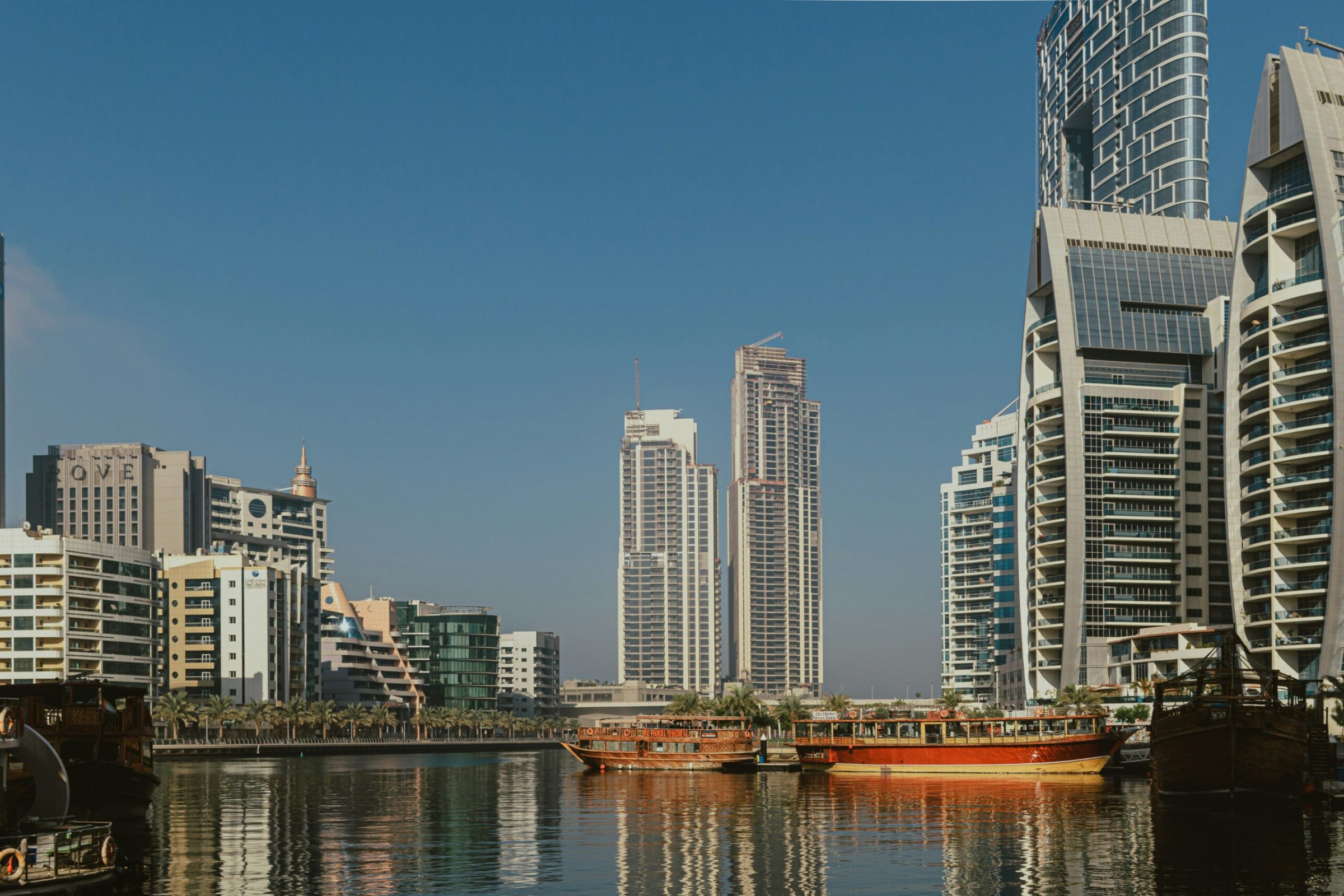
Areas like Dubai Marina, Downtown Dubai, and Business Bay consistently demonstrate strong exit liquidity. These neighborhoods attract both end-users and investors, supported by:
-
Established infrastructure
-
Proximity to employment hubs
-
Diverse tenant pools
-
Strong rental yields
Properties in these areas typically sell within 30 to 90 days, with minimal price negotiation. Buyers trust the location, understand the value proposition, and act quickly.
Moderate Exit Liquidity Zones
Emerging areas like Dubai South, Damac Hills, or parts of Dubailand offer growth potential but slower exit timelines. These neighborhoods appeal to specific buyer profiles—families seeking space, long-term investors, or those priced out of central districts.
Exit timelines here range from three to six months. Pricing discipline matters more, as buyers have alternatives and won't overpay for speculative potential.
Low Exit Liquidity Zones
Off-plan projects in unproven locations, oversupplied micro-markets, or developments with completion delays face significant liquidity challenges. These properties may take six months to over a year to sell, often requiring price reductions of 10% to 20% below asking.
Investors entering these segments must have longer holding periods and stronger financial buffers. Exit liquidity here depends heavily on market timing—selling during demand spikes can work, but forced exits during downturns prove costly.
How to Evaluate Exit Liquidity Before Buying
Smart investors assess exit liquidity before signing purchase agreements. Here's how:
1. Analyze Comparable Sales Velocity
Review recent transactions in the target area. How long did similar properties stay on the market? Were they sold at asking price or after negotiations? High turnover and quick sales indicate strong liquidity.
2. Study Tenant Demand
Properties that rent easily tend to sell easily. Check rental listings, vacancy rates, and average time to lease. Strong rental demand signals underlying liquidity, as buy-to-let investors will always consider these assets.
3. Assess Price Positioning
Compare the property's price per square foot against the neighborhood average. Properties priced 10% to 15% above market norms face liquidity challenges. Buyers have alternatives, and overpricing extends holding periods.
4. Evaluate Developer Track Record
Developers with a history of timely completions and quality builds create confidence. Properties from trusted developers sell faster because buyers perceive lower risk.
5. Consider Unit Mix and Layout
Certain configurations have broader appeal. One-bedroom apartments near business districts, for example, attract both young professionals and small investors. Four-bedroom villas in family-oriented communities appeal to specific demographics but have smaller buyer pools.
6. Monitor Supply Pipelines
Check upcoming completions in the area. If 5,000 units are scheduled to hand over in the next 18 months, exit liquidity will weaken as supply floods the market.
Exit Liquidity and Off-Plan Investments
Off-plan properties dominate Dubai's investment landscape, offering payment plans and potential appreciation before completion. But they also carry the highest liquidity risk.
During construction, off-plan properties have near-zero liquidity. Selling assignment rights requires finding a buyer willing to assume the remaining payments—a narrow market. If the project faces delays or the broader market softens, assignment sales become nearly impossible.
Post-completion, off-plan investments face a different challenge: competing with hundreds or thousands of identical units flooding the market simultaneously. Exit liquidity depends on how many other investors are also trying to sell.
To manage off-plan liquidity risk:
-
Focus on developments from top-tier developers with proven delivery records
-
Choose locations with established demand, not speculative master plans
-
Avoid micro-markets where a single project represents 50% or more of new supply
-
Plan holding periods of at least three to five years post-completion
The Role of Financing in Exit Liquidity
Buyer financing impacts exit liquidity significantly. Properties in mortgage-friendly price brackets (under AED 2 million) attract more buyers because financing is accessible. Properties above AED 5 million require larger cash commitments, narrowing the buyer pool.
In Dubai, where many transactions are cash-based, financing availability still matters. Buyers with mortgage options can move faster, reducing time-to-sale. Properties that don't qualify for financing (certain off-plan projects, older buildings, or developments by unregistered developers) face liquidity constraints.
When to Prioritize Exit Liquidity Over Yield
Not every investment needs maximum exit liquidity. Buy-and-hold investors with 10+ year horizons can afford to prioritize yield over liquidity, targeting undervalued areas with strong rental returns.
However, exit liquidity becomes critical when:
-
Investment timelines are uncertain
-
Portfolio diversification requires flexibility
-
Market conditions are volatile
-
Personal financial circumstances could change
For most retail investors in Dubai, balancing yield and liquidity produces the best outcomes. High-yield properties with poor liquidity trap capital. High-liquidity properties with weak yields underperform inflation. The sweet spot lies in assets that deliver both.
How Global Infrastructure is Redefining Investment Flexibility
Exit liquidity isn't just about property anymore. The way investors access capital, move value, and manage portfolios is evolving through digital infrastructure that simplifies complex transactions.
Platforms like Tap Tap Go are reshaping how wealth moves across borders. By integrating digital identity, global banking rails, and multi-currency systems into a single interface, they're reducing friction in cross-border transactions. Investors can convert crypto to fiat, access international payment systems, and manage loyalty-based rewards—all without navigating fragmented platforms.
This matters for real estate investors who need liquidity beyond property sales. Whether it's repatriating rental income, accessing equity through refinancing, or diversifying into other asset classes, having seamless financial infrastructure creates flexibility that traditional banking doesn't always provide.
Tap Tap Go's approach—embedding finance directly into a user-owned digital identity layer—offers a glimpse into how infrastructure is becoming more interconnected. When financial interaction becomes as simple as a tap, the barriers between asset classes start to dissolve. Real estate investors gain more options to unlock value without being forced into distressed sales.
Conclusion: Build Your Strategy Around Liquidity
Dubai's real estate market rewards strategic thinking. Prices rise and fall, neighborhoods evolve, and supply cycles shift. But one constant remains: liquidity determines whether you control your investment or it controls you.
Before your next purchase, ask the hard questions. Can this property sell in three months if needed? Is there genuine buyer demand, or just developer marketing? Will holding costs eat into returns if the market slows?
Exit liquidity isn't about timing the market. It's about building resilience into your portfolio so opportunities stay open, risks stay manageable, and capital stays accessible.
The best investments aren't always the ones that promise the highest returns. They're the ones you can exit when the time is right.